What Causes Teeth To Become Impacted
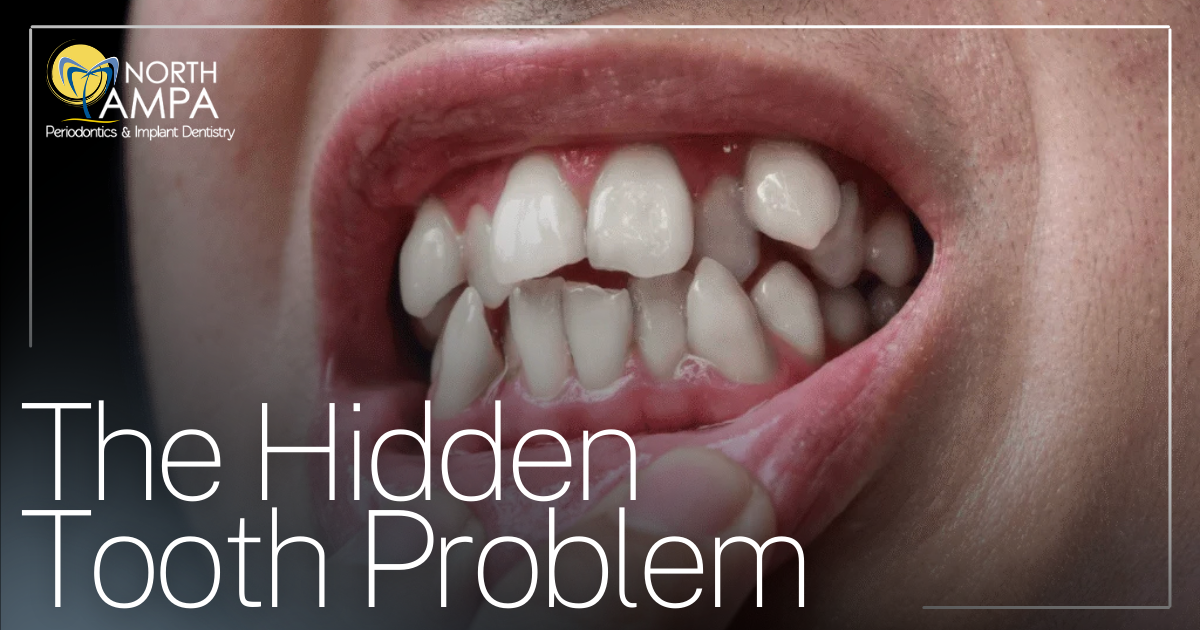
An impacted tooth simply means the tooth cannot fully emerge through the gum the way it normally should. This is because teeth develop and move through the jaw over many years. During this process, they need sufficient space and proper guidance to enter the mouth. When something interrupts that path, the tooth may remain trapped beneath the gum or partially emerge.
Crowding in the jaw is one of the most common reasons for an impacted tooth. Sometimes, the tooth is simply trying to fit within a space that is too small. In other cases, the tooth may be angled toward a neighboring tooth instead of moving straight upward. Wisdom teeth are well known for becoming impacted because they are the last teeth to erupt. By the time they are ready to come in, there is often very little space left in the mouth.
Signs That a Tooth May Be Impacted
Some impacted teeth cause no symptoms, which is why they are only discovered during routine dental exams or X-rays. However, there are situations in which the body gives a few clues that something is happening beneath the surface.
Common signs of impaction can include:
- discomfort near the back of the mouth
- swelling or tenderness in the gums
- difficulty opening the mouth fully
- feeling of pressure around nearby teeth.
In some cases, partially impacted teeth can trap food and bacteria, leading to irritation or infection of the surrounding gum tissue. If you notice persistent discomfort in one area of your mouth, it is always worth a closer look. We evaluate impacted teeth daily, and we have the tools to manage them comfortably and effectively.
How We Address Impacted Teeth
The right approach depends on the tooth’s position and whether it is causing problems. In some cases, we may simply monitor the tooth over time if it is not currently affecting surrounding teeth or gum health.
When a tooth is likely to create complications, we may recommend treatment. A common solution is removing the impacted tooth, especially when wisdom teeth are involved. This helps avoid issues such as infection, crowding, or damage to nearby teeth. In other situations, particularly with teeth that are important for your bite to function, we may try to guide the tooth into place or address the surrounding bone and gum tissue.
Why Early Evaluation Matters
Impacted teeth often develop gradually, and many people do not notice anything unusual until symptoms appear. Regular dental visits allow dentists to monitor tooth development and catch possible problems before they impact oral health. When identified early, impacted teeth are usually much easier to manage.
Give us a call to schedule a consultation at North Tampa Periodontics and Implant Dentistry in Tampa, FL, and we will assess whether you have impacted teeth.